The Story Behind Britain's Quiet Love of Re-Watching
By Maya Patel · 2026-04-08 · 6 min read
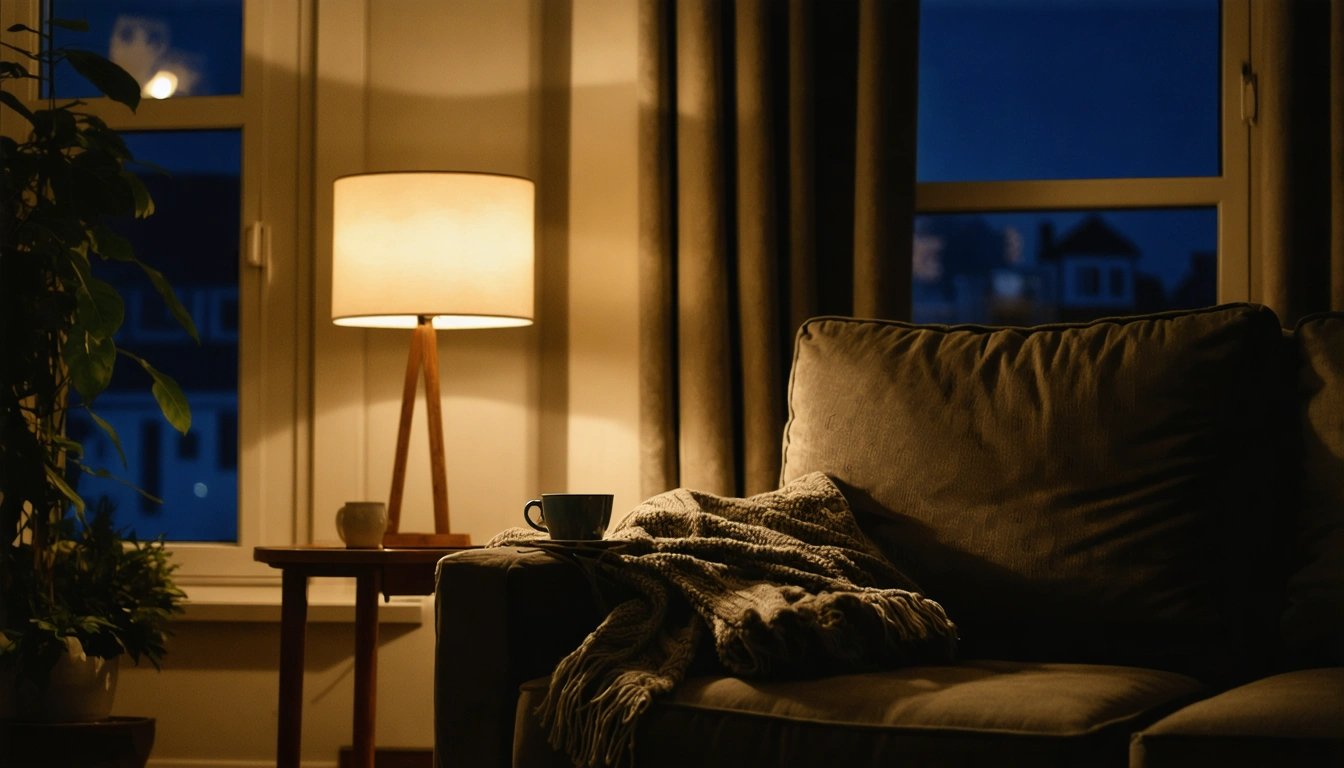
There is a comfortable, slightly comic fact about British households that does not feature prominently in television industry reports. We re-watch. Not occasionally, not as a guilty pleasure, but as a working part of our evening rhythm. The same series, the same Christmas specials, the same Sunday-afternoon films, watched again every winter, every spring, every long Bank Holiday weekend when nothing on the schedule quite suits the mood. It is one of the small recurring British habits, and it tells a slightly larger story than it appears to.
The familiar object on the screen
Walk through almost any British living room on a Saturday evening and you will see, on a notable proportion of screens, something the household has seen before. A sitcom from the 1990s on a streaming app. A nature documentary first broadcast a decade ago. A film that was on the schedule last Christmas and the Christmas before. Sport on terrestrial channels is the obvious exception — football, cricket, rugby and tennis are watched live — but the long stretches of the British viewing week are populated by the familiar.
This is not, despite occasional commentary, a sign of intellectual fatigue or of declining cultural ambition. It is something quieter and more useful: the British household is using the television as a settled feature of the room, in the same way it uses a familiar mug, a comfortable chair, or the slightly broken kettle that nobody quite gets around to replacing. The programme on the screen is part of the furniture.
Why this happens more here than elsewhere
International surveys suggest UK households re-watch more than the European average and considerably more than households in North America. There are several modest explanations, none of which is the whole story.
The first is climatic. The British evening is longer and darker, on average, than the evening in most comparable countries. Households spend more hours indoors with the television on as background. Background viewing rewards familiar programmes, because it is easier to half-listen to a story you already know than to follow a new one across the cooking, the homework, the phone calls and the small conversations that fill a British weekday evening.
The second is structural. The British broadcast schedule has, for decades, deliberately rerun a small canon of high-quality programmes during slack hours. A child growing up in the UK in the last forty years will have repeatedly encountered the same documentaries, the same wildlife series, the same handful of period dramas, the same comedies. The country shares, more than it realises, a small library of background-watching.
The third is generational. Older British viewers have, in research, consistently said that they re-watch for the simple pleasure of returning to a programme that they enjoyed in younger life. Younger British viewers — those in their twenties and thirties — have, slightly surprisingly, said something similar, often citing the comfort of re-watching during stretches of difficult or stressful weeks.
The kind of programmes we re-watch
The British re-watch list is not random. It clusters into a handful of recognisable categories.
The classic sitcom, written tightly, performed across a small cast, set in a domestic interior — the format invented by British television in the post-war decades and refined across the next fifty years. Half-hour episodes are particularly well-suited to a household evening, beginning and ending within the natural pause of a tea or a meal preparation.
The well-made nature documentary, narrated by a familiar voice, with long establishing shots and slow camera movement. These watch easily as background and reward attention selectively — the viewer can drift in and out without losing the thread.
The Christmas film. The list is short, deeply familiar, and contested only in details: a small canon of films, made between roughly 1980 and 2005, that occupy a particular emotional slot in the British December.
The period drama, especially a multi-part one with a slow narrative arc and high production values. These tend to be re-watched in winter, often by households that watched them when first broadcast and now share them with younger relatives.
The classic film, particularly the British ones — Ealing comedies, post-war thrillers, the small group of films that constitute the British cinema canon. These are seen less often per household but with more attention when they appear.
What the habit says about the room
The re-watch is, in the end, about the relationship between the household and the screen. A television in a British living room is rarely a venue for breaking new ground. It is a way of making the evening feel familiar — a small piece of ambient continuity in a country that, in other respects, is sometimes anxious and noisy.
The implications of this are practical. Households who re-watch tend to keep their televisions longer, because they are not interested in the latest features. They tend to invest in good seating more than in good speakers, because what matters is the room rather than the audio. They tend to look after the set patiently — calling an engineer when something fails — because the screen is part of an arrangement they would prefer not to disturb.
A small note in defence of re-watching
There is a slight and recurring suggestion, in cultural commentary, that re-watching is a habit to be slightly embarrassed about — that households should be discovering new programmes, broadening their viewing, expanding their cultural diet. This is, in our view, mistaken. A household that re-watches is a household with a settled relationship with its evenings, and there is nothing apologetic about that.
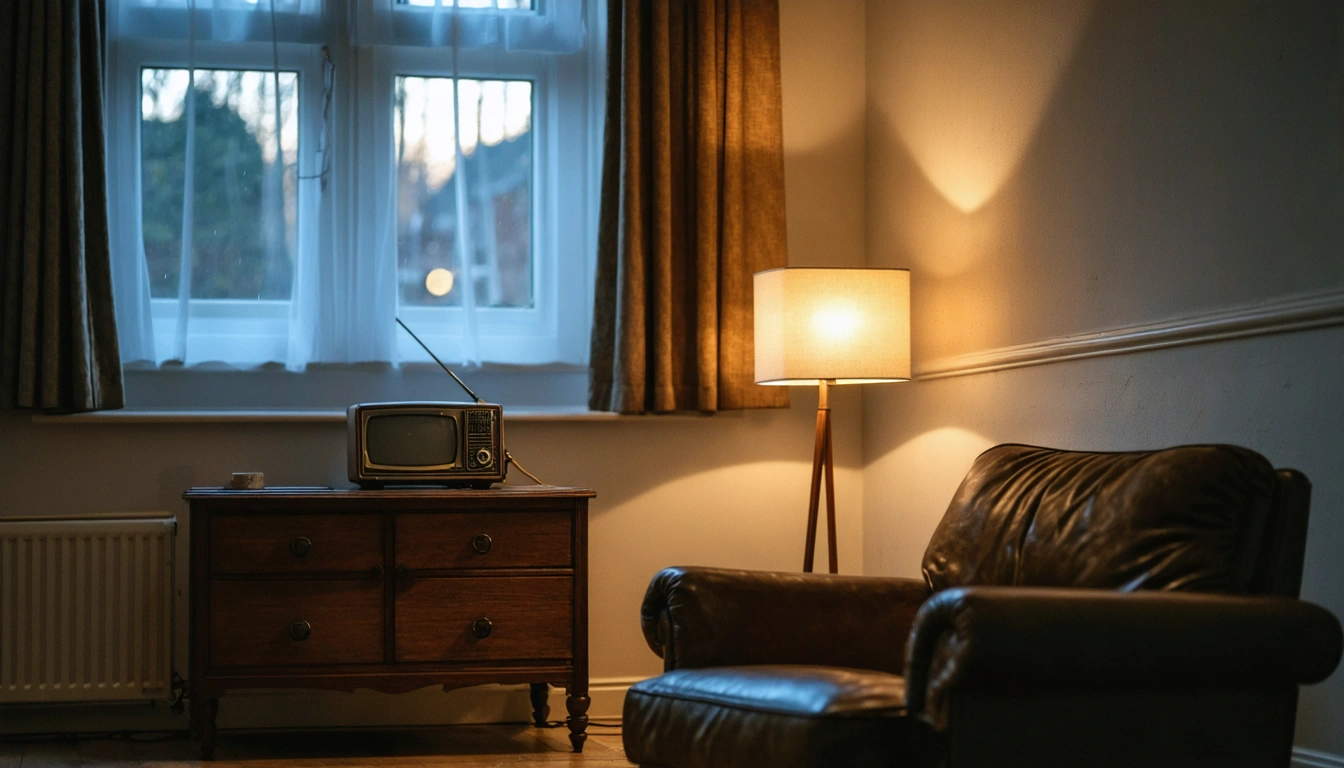
The set in the corner of a British living room is not a frontier. It is a hearth.
Editorial standards: this article reflects general consumer guidance for UK readers. We do not provide medical, legal, or financial advice. For specific matters please consult a qualified professional.
Related reading
 Lifestyle
The Quiet Skill of Keeping Old Tech Alive in 2026
Why the small British craft of fixing televisions, kettles and printers still matters — and what it costs us when it goes.
 Culture
British Sitcoms That Outlived Their Decade — And Why
What the long-runners of British sitcom can tell us about writing, performance, and the small architecture of a half-hour comedy.
 Culture
When the Screen Dies Mid-Sentence: A Short History of British Living-Room Drama
A quiet look at why British screens fail at the worst possible moment, and what it tells us about the small craft of repair.